

transitions, liminal spaces, change
an essay

liminal spaces are transitional areas meant for passing through. because they are generic and devoid of specificity, they are familiar yet alien, comforting yet uneasy.
a liminal space can be physical: hotel lobbies, waiting rooms, train stations. or it can be intangible: the transition from wakefulness to sleep, going through a change, moving into a new home.
when going through a change, you embark on a journey that hopefully leads to self development. when you’re half asleep, that state is fragile and short lived, meant only to lead you into slumber. but what if we froze in such a state, caught in limbo? no way to go back, nor to go forth?
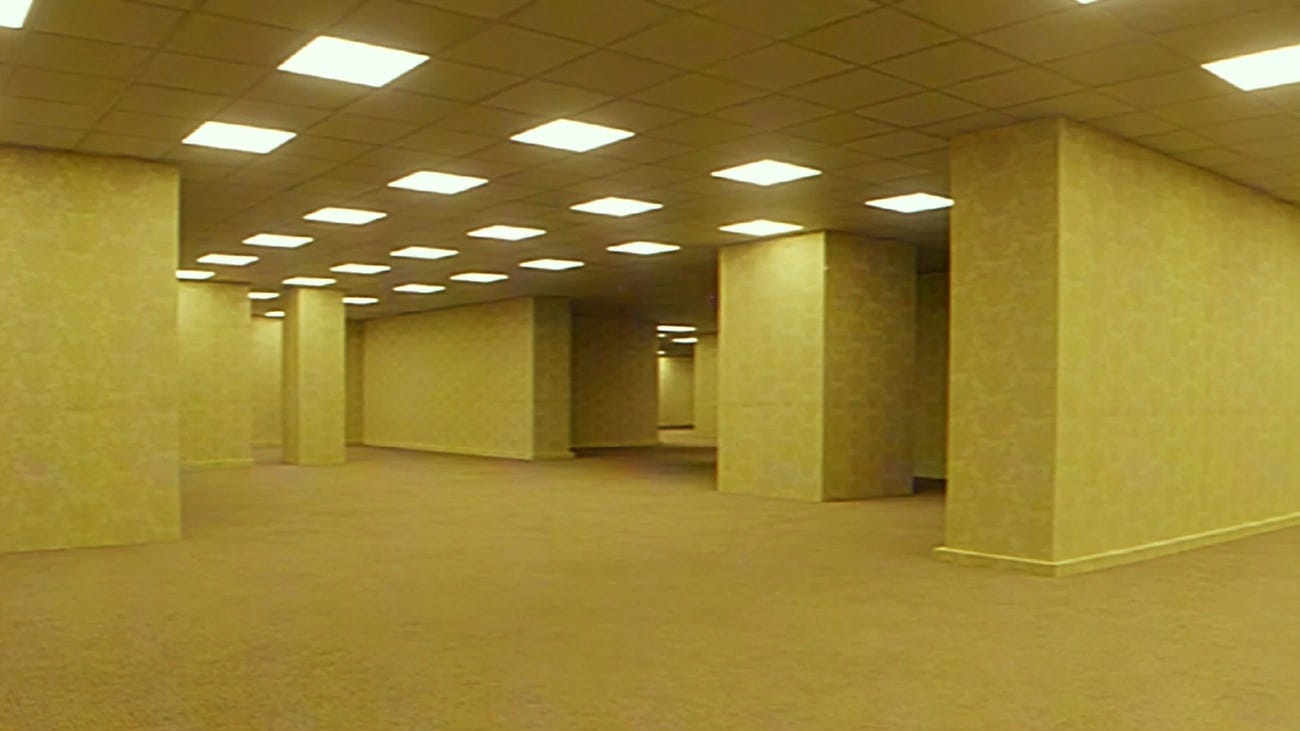
I think that’s what happened with the man in Backrooms (2026), first stuck in place in therapy, not able to move on, to improve, and then trapped in the endless maze of rooms. the rooms are a physical liminal space. the film emphasizes the psychological dread of thresholds, change, growth through the use of the endless transitional spaces where one witnesses his own psychological collapse.
are the backrooms a sort of purgatory? in Catholicism, purgatory is an intermediate space after one’s passing away, meant to purify a soul to prepare it for Heaven. besides this, it can also mean any period of transitional, temporary suffering. this would make purgatory have a purpose and a place in the growth process.
change is always scary, but at least there is something waiting on the other side of it. it can be failure or a desired outcome. either way, change is meaningful suffering, and so is the liminal space in between the before and the after.
but what if the other side never comes? stuck in the transitional space, unable to go back to how things were but also to move forward to how you wish they can be. in the backrooms, there is no reason for the endless rooms to exist and no escape from them. thus, it would be more fitting to compare the backrooms to hell.
imagine being stuck in a train station. no movement, no train, the place suspended, frozen in time. or a hotel lobby, or waiting in a queue, forever. I would consider that hell.
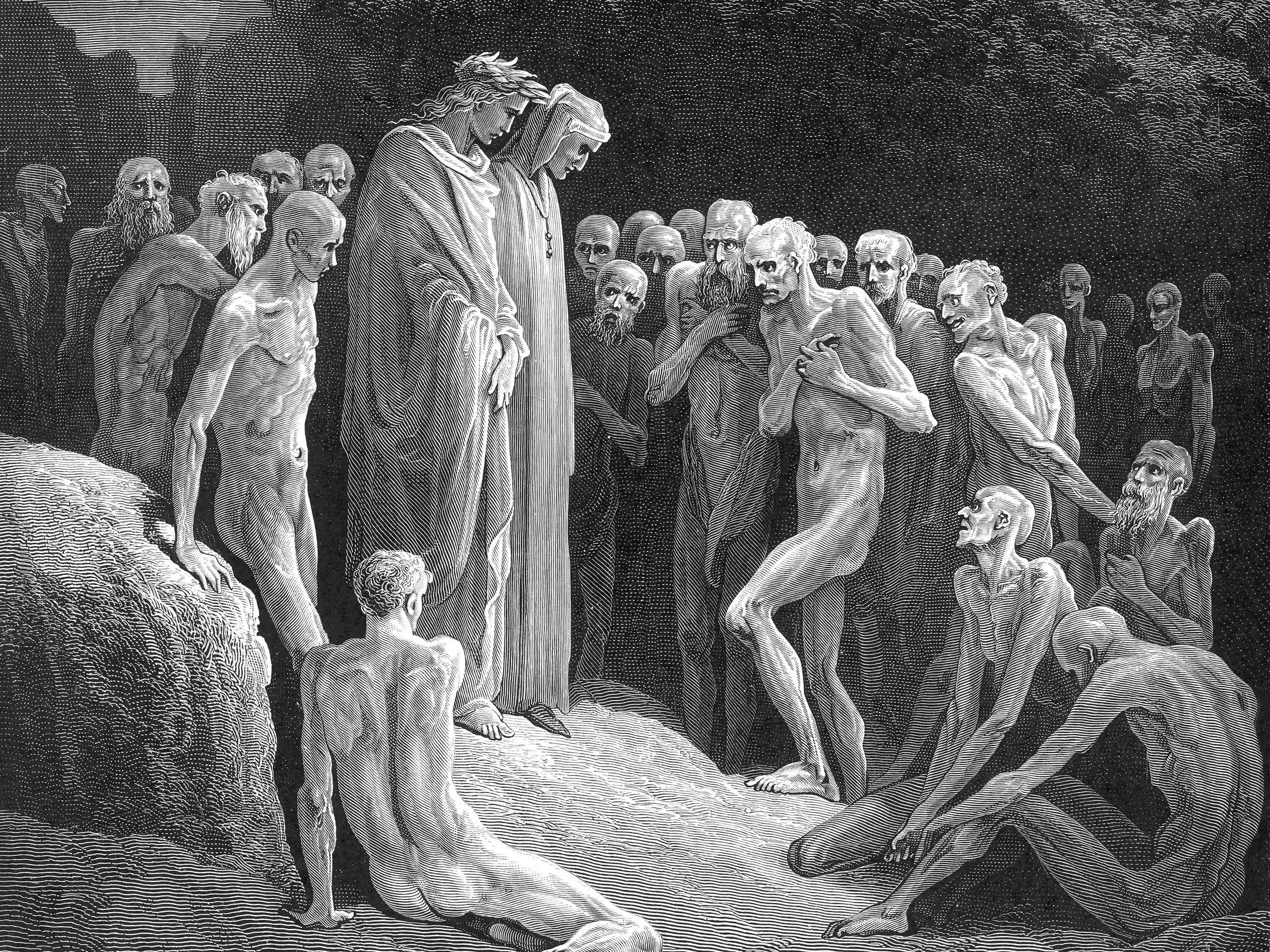
but not all liminal spaces have to be evil and scary. in the transitional space between wakefulness and sleep, my ideas flow unobstructed by the mental requirements and limits that my rational mind usually imposes on them. the rational mind criticizes and shuts ideas down before they have a chance to develop and evolve into something meaningful, and in this state it is subdued, leaving room for creativity and imagination. I often write poetry in bed, after I’ve wished my partner good night, after I’ve found a comfortable sleeping position. from in between. this is a non-threatening transitional space because it ends in sleep, because it is brief, and controlled. in the case of insomnia though, it doesn’t. insomnia is another liminal space that is torturous, pointless suffering.
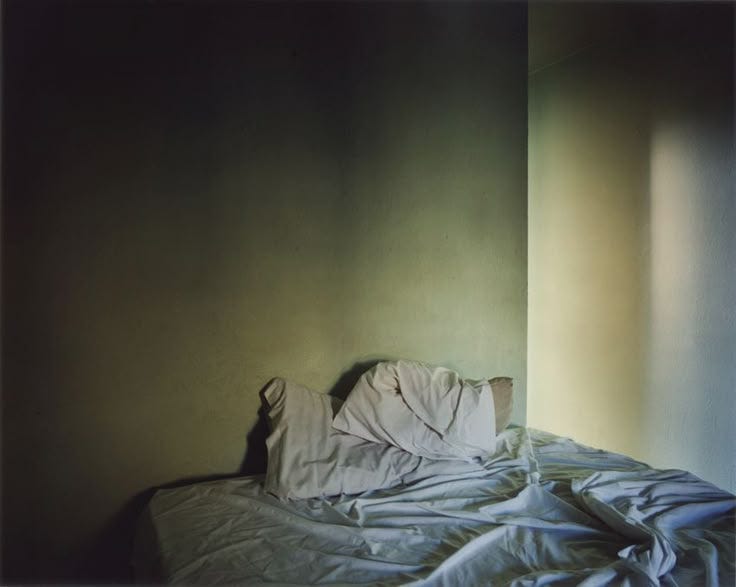
transitions, change, and liminal spaces can be meaningful suffering, a productive purgatory. but when they stop pointing anywhere, when passing through becomes staying, that’s where their horror can be found.